
Understanding the Menstrual Cycle

The First Period (Menarche)

The first period, known as menarche, typically occurs between the ages of 12 and 14. If you are very slim, it might happen a bit later since your body needs a certain amount of fatty tissue before the ovaries can produce estrogen. The pituitary gland in your brain is crucial for this process, releasing hormones such as FSH (follicle-stimulating hormone) and LH (luteinizing hormone).

Under the influence of FSH, a Graafian follicle matures in the ovary, housing an egg cell. Around the 14th day of the cycle, the follicle ruptures, releasing the egg into the fallopian tube, beginning its journey towards the uterus. LH then transforms the ruptured follicle into the corpus luteum, an endocrine gland that produces progesterone, which prepares the endometrium (uterine lining) for potential pregnancy. If the egg is not fertilized, the endometrium is shed and expelled through the vagina, resulting in menstruation.

Duration of the Menstrual Cycle

The average menstrual cycle is 28 days, but it can vary widely among women. Some may have shorter cycles of about 24 days, while others might have longer cycles of up to 32 days. During adolescence, cycles can be particularly irregular, with several months possibly elapsing between periods as your body adjusts.

The first day of menstruation marks the beginning of the cycle. Ovulation, the release of an egg from the ovary, typically occurs midway through the cycle. This is the time when pregnancy can occur if you have unprotected sex. If the egg is not fertilized, the body prepares to shed the uterine lining, leading to menstruation, which usually lasts between 3 to 5 days. If you experience heavy bleeding or prolonged periods, consult a doctor, as excessive blood loss can lead to anemia.

Preparing for Your First Period

To avoid being caught off guard by your first period, consider wearing pantyliners, which also help maintain hygiene. You might notice a white discharge from your vagina a few months before your first period, indicating that your hormones are developing properly. If your first period occurs while you are out, remember that menstruation is not an illness, and you can continue your normal activities. It's a good idea to carry a sanitary pad with you, preferably an ultra-thin one that won't show under tight clothing.

Tips for Managing Menstruation

  1. Track Your Cycle: Use a calendar or a mobile app to track your menstrual cycle, helping you predict when your next period will occur.
  2. Maintain Hygiene: Change sanitary pads or tampons regularly to avoid irritation or infection.
  3. Stay Prepared: Always have sanitary products with you, especially around the time you expect your period.
  4. Healthy Diet: Eat a balanced diet rich in iron to compensate for blood loss during menstruation.
  5. Consult a Doctor: If you experience severe pain, heavy bleeding, or irregular cycles, seek medical advice.

By understanding and preparing for menstruation, you can manage it confidently and comfortably as a normal part of growing up.
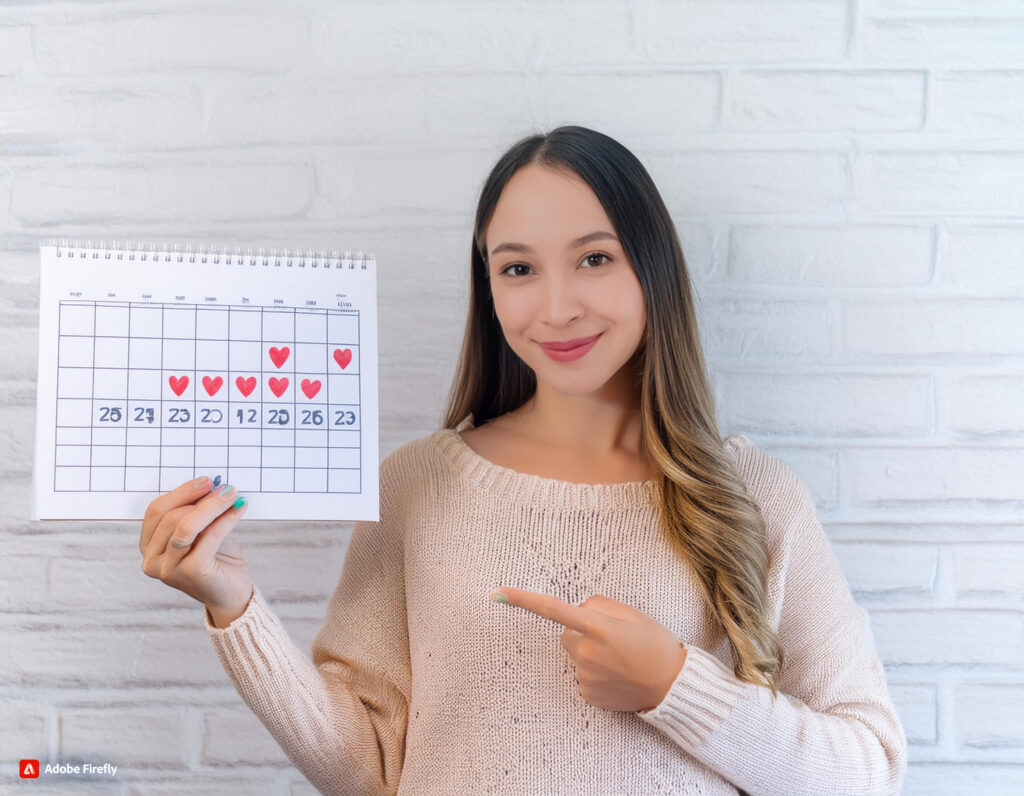
Being prepared for your period is important. To estimate when it will occur, consider your average cycle length, the start date of your last menstruation, and its duration.

PERIOD & OVULATION