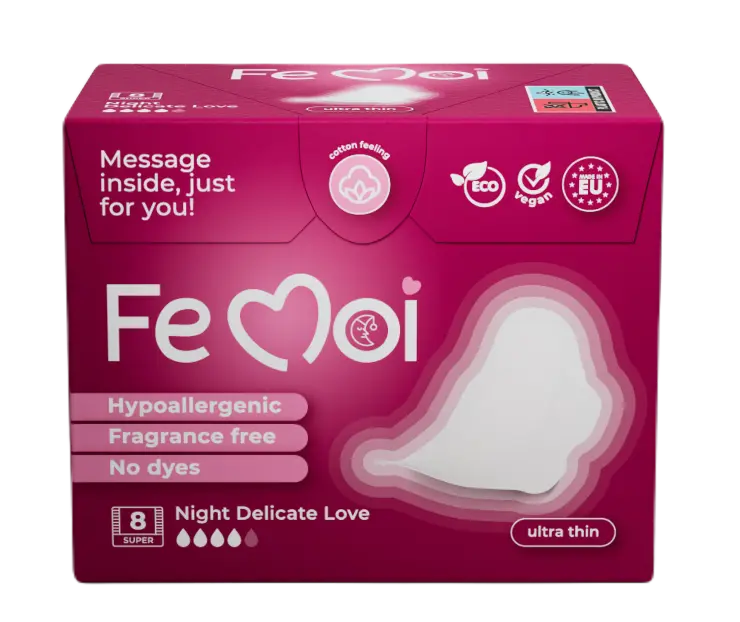
- Sanitary Pads or Tampons: Pack a few pads or tampons, but you don’t need to carry an entire pack. Generally, 5-6 sanitary pads or tampons should suffice for a school day, including a couple of extra for emergencies.
- Pantyliners: These are useful for lighter days near the end of your period or as backup protection when using tampons.
- Intimate Wet Wipes: These are great for maintaining freshness and comfort when you can’t wash your intimate areas.
- Regular Tissues: These come in handy for general hygiene purposes.
- Antibacterial Gel: Essential for maintaining hand hygiene after changing pads or tampons.
Your First Period: What to Expect
The onset of menstruation is a significant milestone in a young woman's life. The first period, known as menarche, typically appears between the ages of 10 and 14. It's important to remember that it is perfectly normal for the menstrual cycle to be irregular during the first couple of years. This is a period of adjustment for your body, and cycles may vary in length and flow. Being prepared can help alleviate some of the anxiety associated with these changes.
Creating a Teenage Period Kit for School
Having a well-equipped period kit in your backpack can make a big difference in how you manage your period at school. Here’s what your kit should include:
Managing Your Period at Home
At home, your approach to period management can be more flexible:
- Stock Up on Supplies: Some prefer to buy sanitary pads and tampons in bulk to always have them on hand, while others buy just enough for each cycle. Find what works best for you.
- Talk to Family: Discussing period products with your mom, sister, or another trusted family member can provide valuable insights. They can share their favorite products and tips.
- Use Gentle Intimate Gel: Investing in a gentle intimate wash can help maintain hygiene and prevent irritation.
Additional Tips for Comfort and Confidence
- Track Your Cycle: Using a period tracker can help you predict when your next period will start, allowing you to be better prepared.
- Stay Hydrated: Drinking plenty of water can help reduce bloating and cramps.
- Eat a Balanced Diet: Incorporating fruits, vegetables, and whole grains into your diet can improve overall well-being and potentially ease menstrual symptoms.
- Exercise Regularly: Light exercise, such as walking or yoga, can help reduce cramps and improve mood.
- Rest and Relax: Make sure to get enough sleep and take time to relax. Stress can exacerbate menstrual symptoms.